Selection
Technical Insights
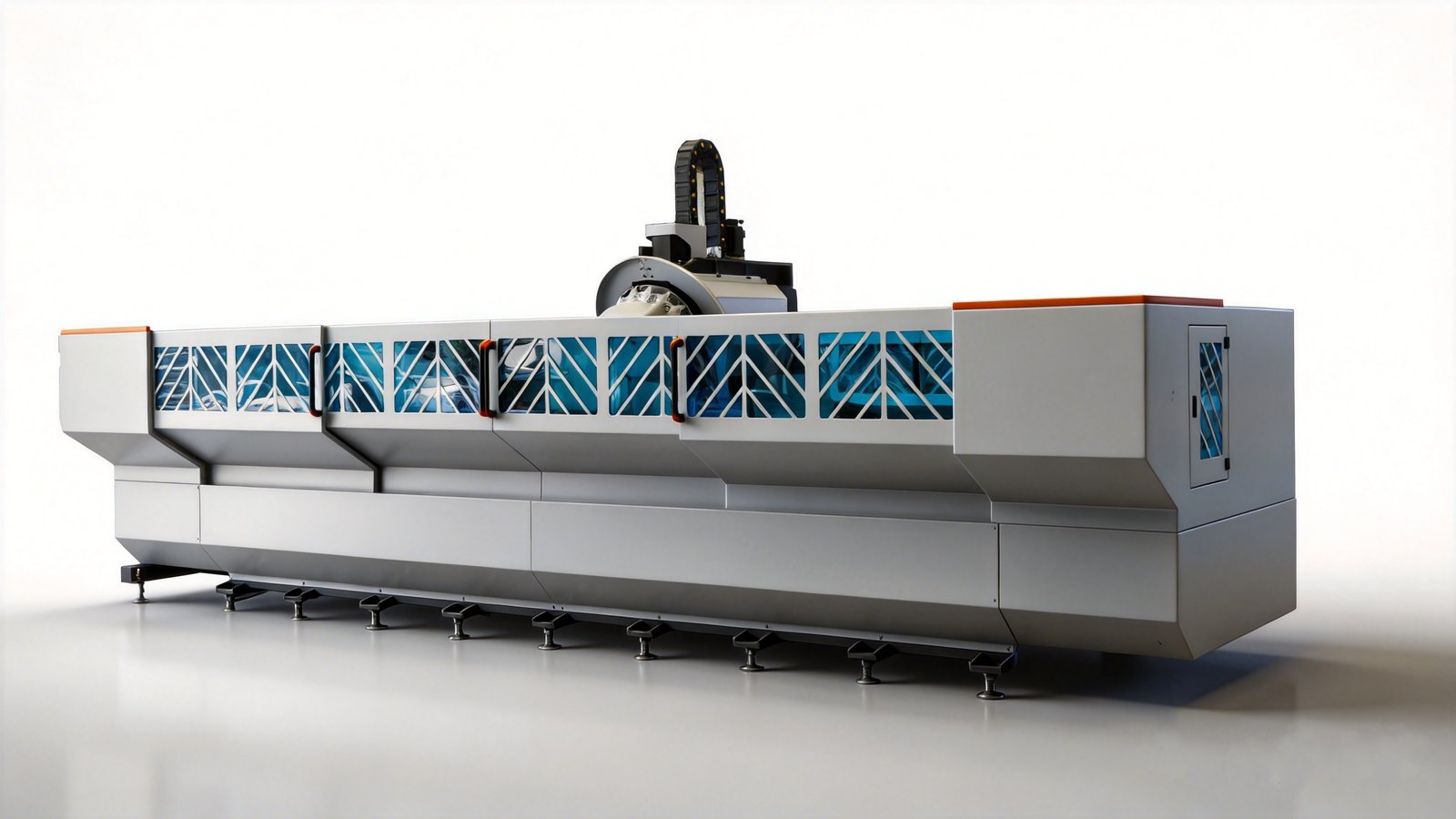
When buying profile machining equipment, the most common approach is to spread out several spec sheets and compare them line by line. This rarely leads to the right machine. A spec sheet describes the upper limit of what a machine can do; selection answers a different question — can this machine perform my operations stably and economically?
Step 1: Confirm the material
Material determines the required rigidity, torque and spindle type. Light alloys such as aluminium and copper need low cutting force and high speed, suiting a high-speed electric spindle. Steel profiles require far more torque and machine rigidity, usually calling for a BT30 or BT40 spindle taper. Once material is fixed, the shortlist shrinks by more than half.
Step 2: Confirm the operations
Operations determine the functional configuration. If you only need milling, drilling, chamfering and tapping, a standard drilling-milling setup is sufficient. Only when contour cutting or complex shaped slots are required does a fiber cutting head become worth considering. Paying for capability you never use is the most common waste in machine selection.
Step 3: Stroke is customized — it should not decide the model
The X-axis stroke of all three models can be extended to order. Long workpieces therefore do not require a different model, and a longer part alone should not push you toward a more expensive machine. Stroke only needs to answer two questions: will the extended machine fit in your shop, and is the fixture layout convenient for loading?
Information to prepare before selecting
- Workpiece material and section size
- Range of workpiece lengths
- List of required operations (milling / drilling / chamfering / tapping / cutting)
- Current machining method and capacity bottleneck
- Target output and delivery expectations
Machine selection by workpiece material (travels can be extended to order)
| Workpiece material | Recommended model | Spindle and key figures | Typical operations |
|---|---|---|---|
| Light alloys such as aluminium and copper, PVC and other non-metallic profiles | WGT-3000G | Milling spindle 9 kW · 0–24,000 rpm, optional 3 kW fibre laser | Precision cutting, milling, drilling and chamfering in one setup |
| Mainly steel profiles, aluminium occasionally | WGTA-4500 | BT30 · 5.5 kW · 12,000 rpm · rated torque 45 N·m | Drilling, tapping, slot milling, end-face machining |
| Heavy long steel beams, heavy stock removal | WGTB-6500 | BT40 · 7.5 kW · 12,000 rpm · rated torque 52.5 N·m | Heavy milling with large cutters, heavy-duty frame machining |
| Live disassembly of end-of-life battery packs and explosion-protected machining | WGTC-3027 / WGTC3016 | BT40 · 11–15 kW · 15,000 rpm (WGTC-3027) · BT40 · 16,000 rpm (WGTC3016) | Pack pole severing, busbar milling, cover removal |
Frequently asked questions
- Should I look at X-axis travel first when selecting a machine?
- No. The X travel of all three models can be extended to order, so travel is a variable you adjust when ordering, not something that distinguishes one model from another. Materials decide the model, because they determine rigidity and spindle type, and so do the operations you need, because they determine the configuration. Travel only needs two final checks: whether the extended machine fits your shop, and whether the fixture layout leaves room for loading.
- We only drill, tap and mill simple slots. Do we need the laser option?
- No. With no contour cutting and no large number of shaped holes, a fibre cutting head brings no productivity gain; it only adds purchase cost and maintenance. The combined configuration pays off only when you deal with long slots, shaped holes, bulk stock removal before precision finishing, or when you need QR codes and earthing symbols marked on the part.
- We run both steel and aluminium. How should we choose the spindle?
- Decide by whichever material accounts for the larger share of output, then check two things: on the aluminium side, whether the required speed and surface finish are reachable; on the steel side, whether torque reserve at low speed is sufficient, particularly for tapping. If the two shares are close and both are produced in volume, choose for the more demanding material (usually steel) and adapt tooling and parameters for the other.
- Why is it a bad idea to start by comparing specification sheets?
- A specification sheet describes the upper limits of machine capability, whereas selection answers whether your operations can be done consistently and economically. Those are not the same question: the same machine can deliver twice the output under one operation structure and half under another. The sensible order is to narrow the field in three steps - material, operations, travel - and only then use the data sheet to verify boundary conditions such as maximum tool size, magazine capacity and table load.
With this information, a supplier can usually return a complete proposal covering model, fixturing and cycle-time estimates before quotation — not just a price list. It is also the fastest way to judge whether a supplier truly understands your process.